Advanced Spine Care Division

Slip Disc Treatment in Mehsana, Expert Spine Care by Dr. Sumit Prajapati, Axcura Ortho

Back pain that shoots down the leg. A neck that aches every time you turn to check a blind spot. Numbness in the fingers that you keep shaking off. These are not random complaints. They are often the first signs that a disc in your spine is pressing on a nerve, and they are the kinds of symptoms that bring patients from across Mehsana and North Gujarat to Axcura Ortho every week.

With over 10 years of specialist experience, disc conditions at every stage are managed at Axcura Ortho — from the first episode of sciatica through to complex cases where endoscopic or open surgery is the right answer. If you have been managing back or neck pain and want to know exactly what is happening and what can be done about it, a consultation at Axcura Ortho is the place to start.
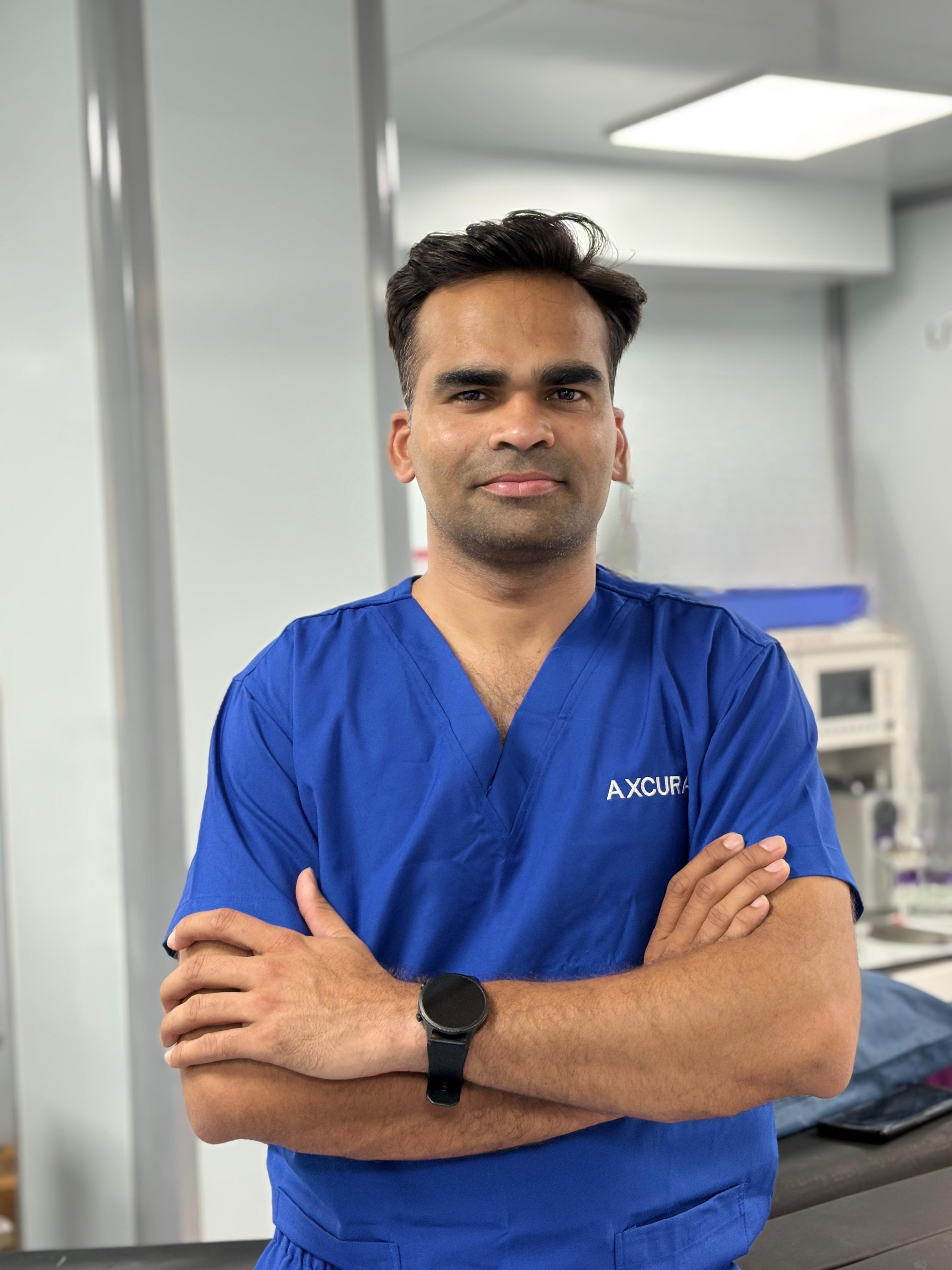
Dr. Sumit Prajapati of Axcura Ortho examining a lumbar spine model for slip disc treatment.
Spine Specialist

The Spine Surgeon Treating Slip Disc at Axcura Ortho, Mehsana

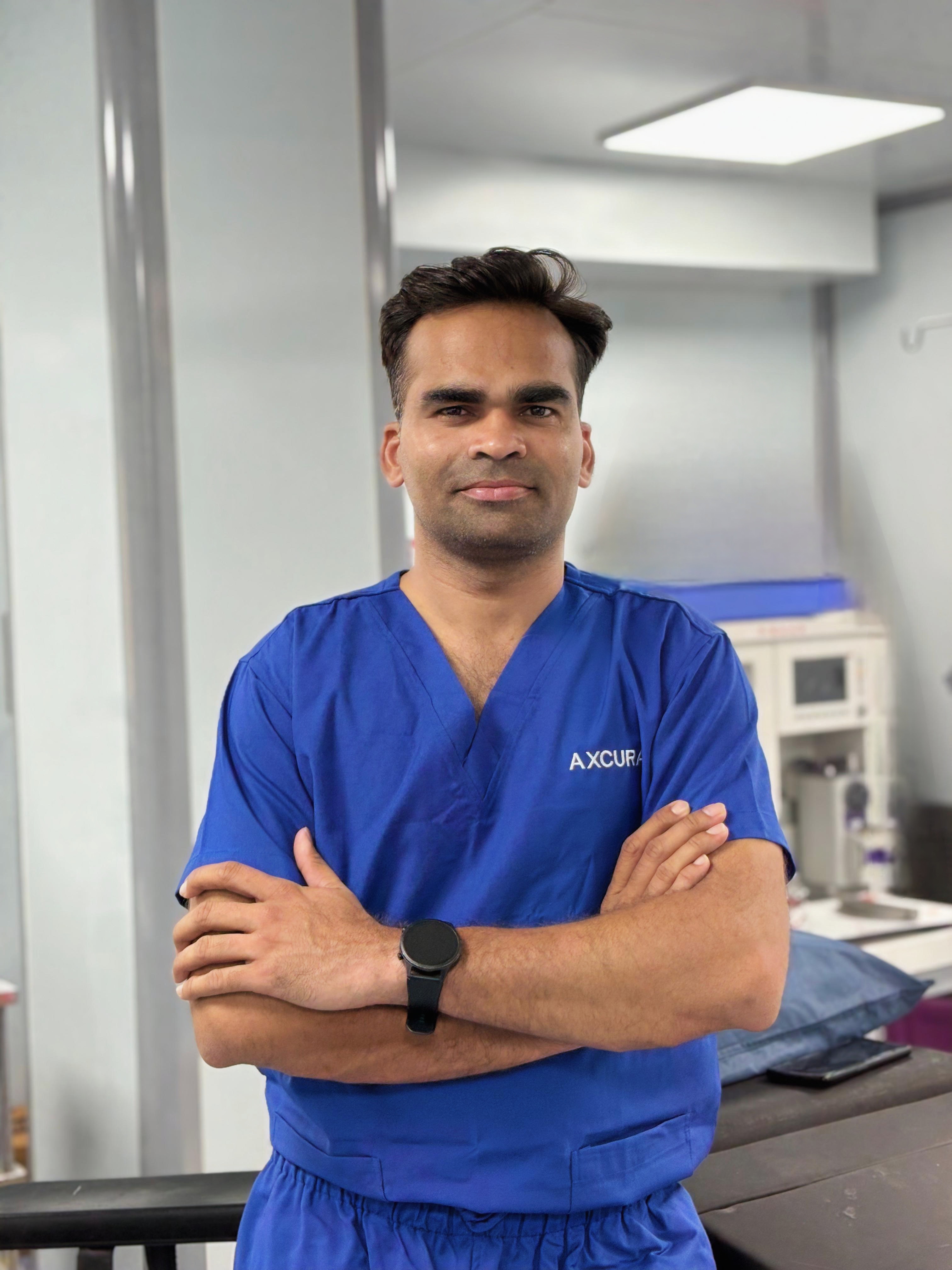
Slip disc treatment at Axcura Ortho is led by Dr. Sumit Prajapati, a specialist in orthopaedic surgery, spine conditions and joint replacement. Disc conditions form a significant part of his clinical practice, and both the non-surgical and surgical ends of disc treatment are managed with equal precision.

Dr. Sumit Prajapati, Orthopaedic & Spine Surgeon Specialising in Slip Disc Treatment, Mehsana

Disc conditions across the full spectrum of severity are treated at Axcura Ortho. At one end, patients in the early stages of disc prolapse who can recover fully with the right structured conservative management. At the other, patients with significant nerve compression causing leg weakness, bladder dysfunction or progressive neurological deterioration, where surgical decompression is the appropriate and time-sensitive treatment. In every case, the focus is on being precise about what the disc is doing, which nerve it is affecting, and what the most effective treatment path looks like for that specific patient.

When surgery is required, endoscopic discectomy, microdiscectomy, lumbar decompression and fusion surgery are performed depending on the disc level, the extent of disease and the patient’s overall clinical picture. Patients from Mehsana, Visnagar, Unjha, Patan, Sidhpur and across North Gujarat come to Axcura Ortho for specialist expertise in spine and disc surgery.
10+ Years Specialist Exp.
100% Patient Focused Care
Dr. Sumit Prajapati - Spine Care Expert

What is a Slip Disc? Understanding What is Actually Happening in Your Spine

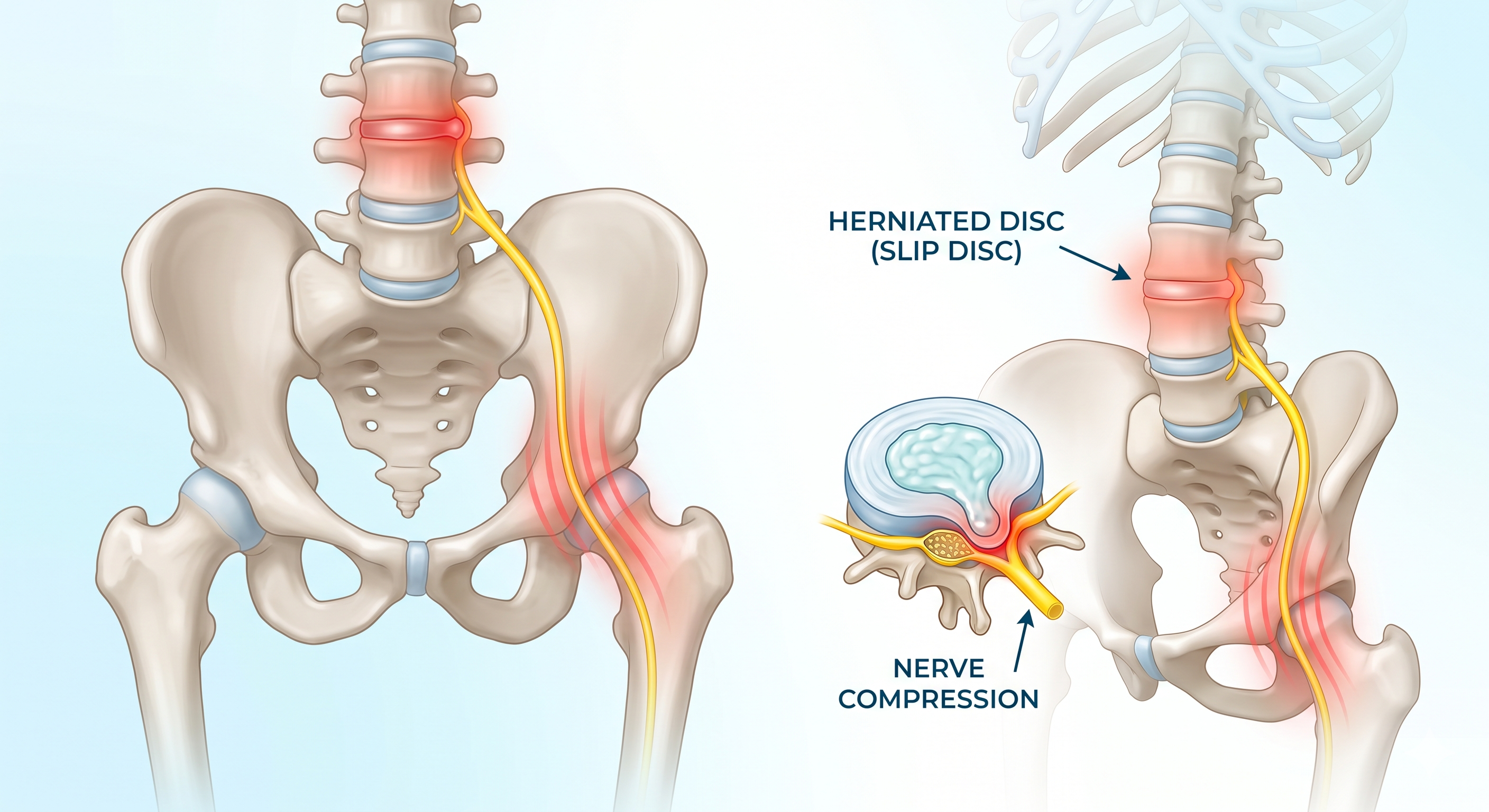
The term slip disc is commonly used but slightly misleading. A disc does not literally slip out of place. What actually happens is that the soft inner material of the intervertebral disc, called the nucleus pulposus, pushes through a weakness in the tougher outer ring, called the annulus fibrosus. This protrusion can press against a nearby spinal nerve root, causing the pain, numbness, tingling and weakness that patients experience. The medical terms for this condition include disc herniation, disc prolapse and PIVD (Prolapsed Intervertebral Disc).

The spine has discs between every vertebra from the neck to the lower back. While disc problems can occur at any level, the most common locations are the lower back (lumbar spine, most often at L4-L5 or L5-S1) and the neck (cervical spine, most often at C5-C6 or C6-C7). The symptoms a patient experiences depend entirely on which disc is affected and which nerve it is pressing on.

Lumbar Disc Herniation (Lower Back Slip Disc) in Mehsana

Lumbar disc herniation is the most common form of slip disc. A disc in the lower back protrudes and compresses one of the nerve roots that form the sciatic nerve. The result is sciatica, a shooting pain that travels from the lower back through the buttock and down the back of the leg, sometimes reaching the foot. Patients also experience numbness, pins and needles and in more significant cases, weakness in the leg or foot. In severe cases, the compressed nerve affects bladder or bowel control, which is a surgical emergency.

Cervical Disc Herniation (Neck Slip Disc) in Mehsana

A cervical disc herniation affects the neck and causes nerve compression that radiates into the shoulder, arm and hand. Patients typically experience neck pain combined with tingling or numbness in one or more fingers, weakness in the grip or difficulty with fine hand movements. When the spinal cord itself is compressed rather than just a nerve root, a condition called cervical myelopathy, patients may also experience problems with balance, coordination and walking.

Thoracic Disc Herniation in Mehsana

Thoracic disc herniation is less common than lumbar or cervical disc disease but can cause significant symptoms including chest wall pain, band-like tightness around the torso, leg weakness and in more serious cases, spinal cord compression. Thoracic disc conditions are assessed and managed at Axcura Ortho.

What Causes a Slip Disc

What Causes a Slip Disc? Conditions and Risk Factors We See at Axcura Ortho

Understanding why a disc has prolapsed is as important as treating the prolapse itself. These are the most common causes and contributing factors seen in patients presenting to Axcura Ortho from Mehsana and North Gujarat:

Age-Related Disc Degeneration

As the disc ages, its water content reduces and the annulus becomes less flexible. A disc that has degenerated is significantly more vulnerable to herniation under normal loading. Disc degeneration is the most common underlying reason for slip disc in patients over 35.

Heavy Lifting with Poor Technique

Lifting heavy objects while the spine is in flexion, particularly with rotation, places very high pressure on the disc. A single episode of incorrect lifting can cause an acute disc herniation, even in a relatively young patient.

Prolonged Sitting and Desk Work

Sustained sitting increases intradiscal pressure compared to standing. Patients who spend long hours at a desk, particularly in a poorly supported posture, have a higher cumulative load on the lumbar discs over years. This is increasingly seen in younger working adults.

Road Accidents and Trauma

A significant impact to the spine, particularly in a road traffic accident, can cause acute disc herniation even in a healthy, well-hydrated disc. Trauma-related disc herniations can occur at any level and are sometimes associated with other spinal injuries.

Genetic Predisposition

The mechanical properties of the disc are partly determined by genetics. Some individuals have discs that are structurally more prone to herniation than others, which explains why disc disease can occur in younger patients without an obvious mechanical cause.

Obesity and Physical Deconditioning

Increased body weight raises the load on the spinal discs at rest and during activity. Poor core muscle strength, which normally helps distribute spinal loads, places additional mechanical stress on the discs themselves.

Recognise the Signs

Symptoms That Tell You a Disc is Pressing on a Nerve, What to Look For

The symptoms of a slip disc depend on which disc is affected and which nerve it is compressing. These are the most common presentations seen at Axcura Ortho from patients across Mehsana and North Gujarat:

Sciatica — Lower Back to Leg Pain

Lower back pain that radiates into the buttock, back of the thigh and down the leg (sciatica)

Neck Pain Radiating to Arm or Hand

Neck pain that radiates into the shoulder, arm or hand, with tingling or numbness in specific fingers

Burning or Electric Shooting Pain

Burning, electric or shooting pain along the course of the nerve rather than in the back alone

Numbness or Tingling in a Nerve Pattern

Numbness or tingling in the leg, foot, arm or hand, often in a specific pattern that corresponds to a particular nerve root

Progressive Leg or Hand Weakness

Weakness in the leg, foot, hand or grip that is progressive or that affects your ability to walk normally

Pain Worse with Coughing or Sneezing

Pain that is significantly worse with coughing, sneezing or straining

Relieved by Lying Down, Worse with Sitting

Pain that is relieved by lying down and significantly worse with prolonged sitting or standing

⚠ Loss of Bladder or Bowel Control — Seek Urgent Care

In severe cases, loss of bladder or bowel control, which requires urgent assessment

Clinical Guidance

When Should You Stop Managing the Pain and See a Specialist?

Many patients with disc-related back or neck pain manage their symptoms for months before seeking a specialist opinion. The following signs indicate that a proper assessment is needed rather than continued self-management:

Pain that has not improved meaningfully after four to six weeks of rest and basic treatment

Leg or arm symptoms alongside the back or neck pain, not just localised spinal pain

Numbness, tingling or weakness in the limbs, even if mild

Pain that is waking you at night

Progressive worsening rather than gradual improvement over weeks

Any change in bladder or bowel function, even subtle

Pain that is limiting your work, daily activity or quality of life significantly

Schedule an Expert Evaluation

Request Specialist Consultation
Treatment Approach

How Slip Disc is Treated at Axcura Ortho, From Conservative Care to Surgery

The single most important thing to understand about slip disc treatment is that most cases do not require surgery. Approximately 90 percent of patients with lumbar disc herniation improve with well-structured non-surgical management over six to twelve weeks. Surgery is reserved for specific situations where conservative treatment has failed, where there is progressive neurological deterioration, or where the presentation demands urgent surgical decompression. Every patient is assessed individually and the treatment recommended is appropriate for their specific disc level, nerve involvement and clinical stage.
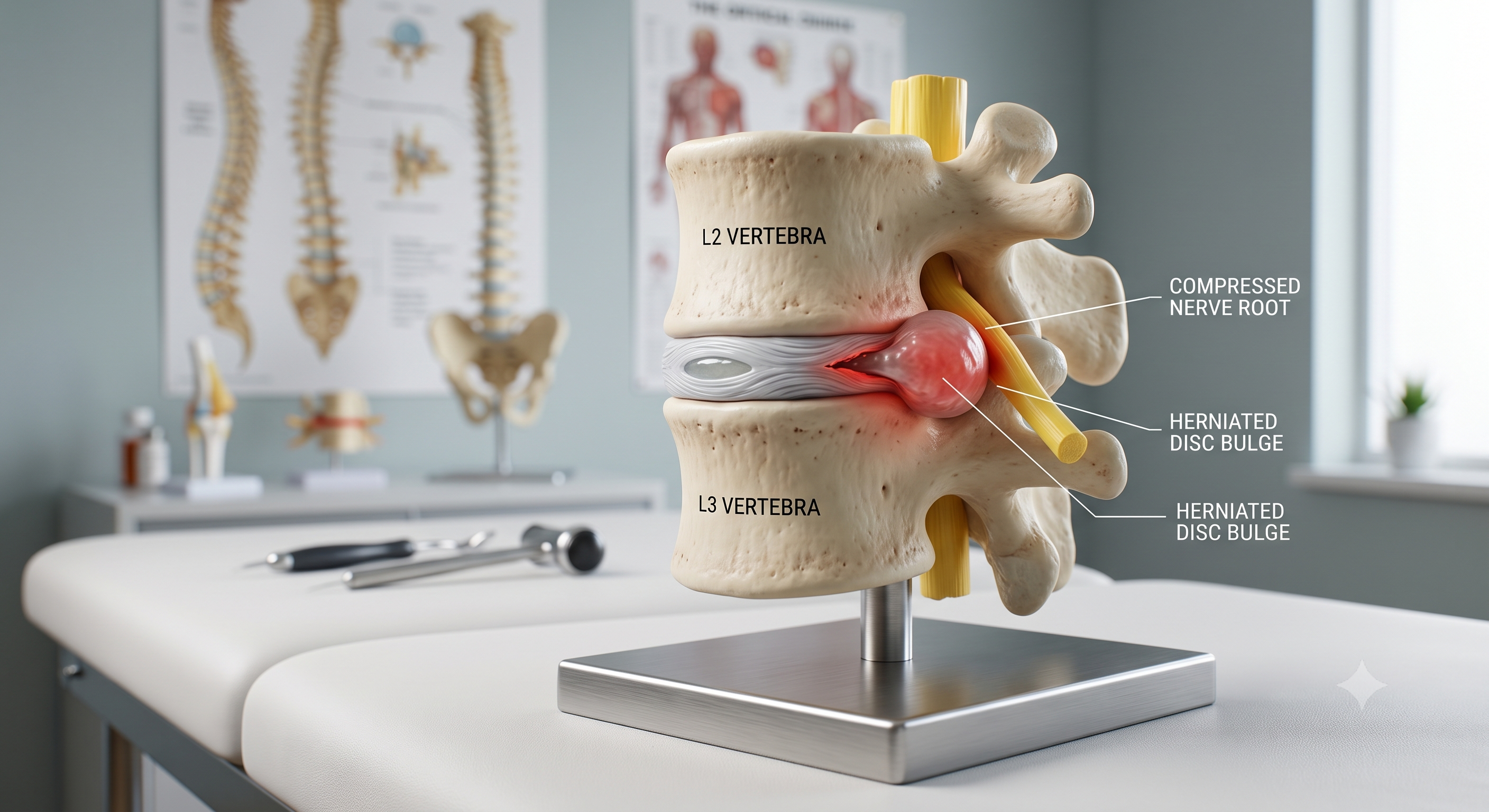
Spine Anatomy
Understanding Your Disc & Nerve
C5 C6 L1 L2 — Affected L3 L4 L5 Herniated Normal disc
Cauda Equina — Urgent Loss of bladder or bowel control is a surgical emergency. Seek immediate assessment — do not wait for a routine appointment.

For the majority of patients presenting to Axcura Ortho with a slip disc, the initial treatment plan is non-surgical. The goal is to reduce nerve irritation, allow the disc bulge to stabilise and retrain the spine and its supporting structures so that the condition does not recur.

A targeted physiotherapy programme addresses the muscular and postural factors that have contributed to the disc problem, reduces nerve irritation through specific therapeutic exercises and progressively restores spinal movement and stability. Generic exercise or unsupervised activity is not the same thing and will not produce the same outcomes.

A precisely targeted injection of corticosteroid into the epidural space at the level of the affected nerve root reduces the inflammation around the compressed nerve and provides significant pain relief in a large proportion of patients. It is not a cure for the underlying disc problem but it allows patients to engage with physiotherapy and resume normal activity while the disc stabilises.

A selective nerve root block targets a specific nerve root with local anaesthetic and steroid, both confirming which nerve is responsible for the patient's symptoms and providing therapeutic relief. It is particularly useful in cases where the imaging does not clearly correspond to a single nerve level.

Anti-inflammatory medication, neuropathic pain agents and muscle relaxants are used selectively in the acute phase to reduce pain and allow the patient to participate in physiotherapy. Activity modification reduces provocative loading on the disc during the healing phase without enforcing complete rest, which is counterproductive.

Surgery is recommended when conservative management has been properly tried and has not produced adequate improvement, when there is progressive neurological deterioration such as increasing weakness, or when the patient presents with a red flag condition such as cauda equina syndrome. The following surgical procedures for disc conditions are performed at Axcura Ortho:

Endoscopic discectomy is the most minimally invasive surgical approach to disc herniation. The procedure is performed through a very small incision using a working channel endoscope, removing the herniated disc material that is pressing on the nerve without disrupting the surrounding muscles or bone. Patients experience significantly less post-operative pain than with open surgery, leave hospital sooner and return to activity faster. Endoscopic discectomy is performed at Axcura Ortho for appropriately selected patients.

Microdiscectomy is the gold standard surgical treatment for lumbar disc herniation causing sciatica. A small incision is made, the muscles are gently retracted and the herniated disc fragment compressing the nerve root is removed under magnification. The procedure takes approximately 60 to 90 minutes and most patients are mobilised the same day. Clinical outcomes for microdiscectomy are excellent, with the large majority of patients experiencing complete or near-complete resolution of their leg pain.

For cervical disc herniation causing significant arm symptoms or cervical myelopathy, anterior cervical discectomy and fusion removes the offending disc from the front of the neck and replaces it with a spacer that fuses the adjacent vertebrae. This reliably decompresses the affected nerve root or spinal cord and stabilises the cervical spine.

In patients where the disc herniation is accompanied by spinal stenosis or significant degenerative changes that are contributing to the nerve compression, a wider decompression of the spinal canal may be required alongside discectomy to adequately relieve the nerve.

Where disc disease is accompanied by instability of the vertebral segment, a fusion procedure stabilises the affected level using pedicle screws, rods and bone graft. Fusion is not required for straightforward disc herniations but may be appropriate in cases involving recurrent disc prolapse at the same level, disc disease with associated spondylolisthesis or significant degenerative disc disease causing instability.

Recovery Timeline

What Recovery Looks Like After Slip Disc Treatment at Axcura Ortho

Recovery timelines vary depending on whether the treatment is surgical or non-surgical, the severity of nerve involvement and the patient's age and general health. These are the typical recovery milestones:

Recovery After Non-Surgical Slip Disc Treatment

Week 1 – 2

Activity modification, pain management and beginning gentle movement — the priority is reducing nerve irritation and avoiding positions that provoke pain.

Week 2 – 6

Structured physiotherapy begins with a progressive increase in activity. Nerve irritation gradually settles and you will likely notice a reduction in leg or arm symptoms.

Week 6 – 12

Core strengthening programme commences. Return to work for most sedentary roles and further improvement in leg or arm symptoms as the disc continues to stabilise.

Month 3 – 6

Full return to activity for most patients. Ongoing core maintenance exercises are advised to protect the disc and prevent recurrence.

Recovery After Endoscopic Discectomy or Microdiscectomy

Day 1

Walking on the same day or the day after surgery. Discharge from hospital within 24 to 48 hours — significantly faster than open surgical approaches.

Week 1 – 2

Walking distance increasing daily. Wound care at home. Avoiding heavy lifting and prolonged sitting while the nerve root and surgical site settle.

Week 2 – 6

Return to light work for most desk-based roles. Physiotherapy begins — progressive exercises to restore movement and protect the operated level.

Week 6 – 12

Progressive return to physical activity and a structured strengthening programme. Most patients are comfortable with driving and light outdoor activities by this stage.

Month 3

Return to most normal activities including moderately physical work. The large majority of patients experience complete or near-complete resolution of leg or arm symptoms.

Why Axcura Ortho

Why Patients From Across North Gujarat Choose Axcura Ortho for Slip Disc Treatment

Patients from Visnagar, Unjha, Patan, Sidhpur, Vadnagar and across North Gujarat come to Axcura Ortho in Mehsana for slip disc treatment and spine surgery. Advanced spine care that was previously only accessible in Ahmedabad is now available in Mehsana.
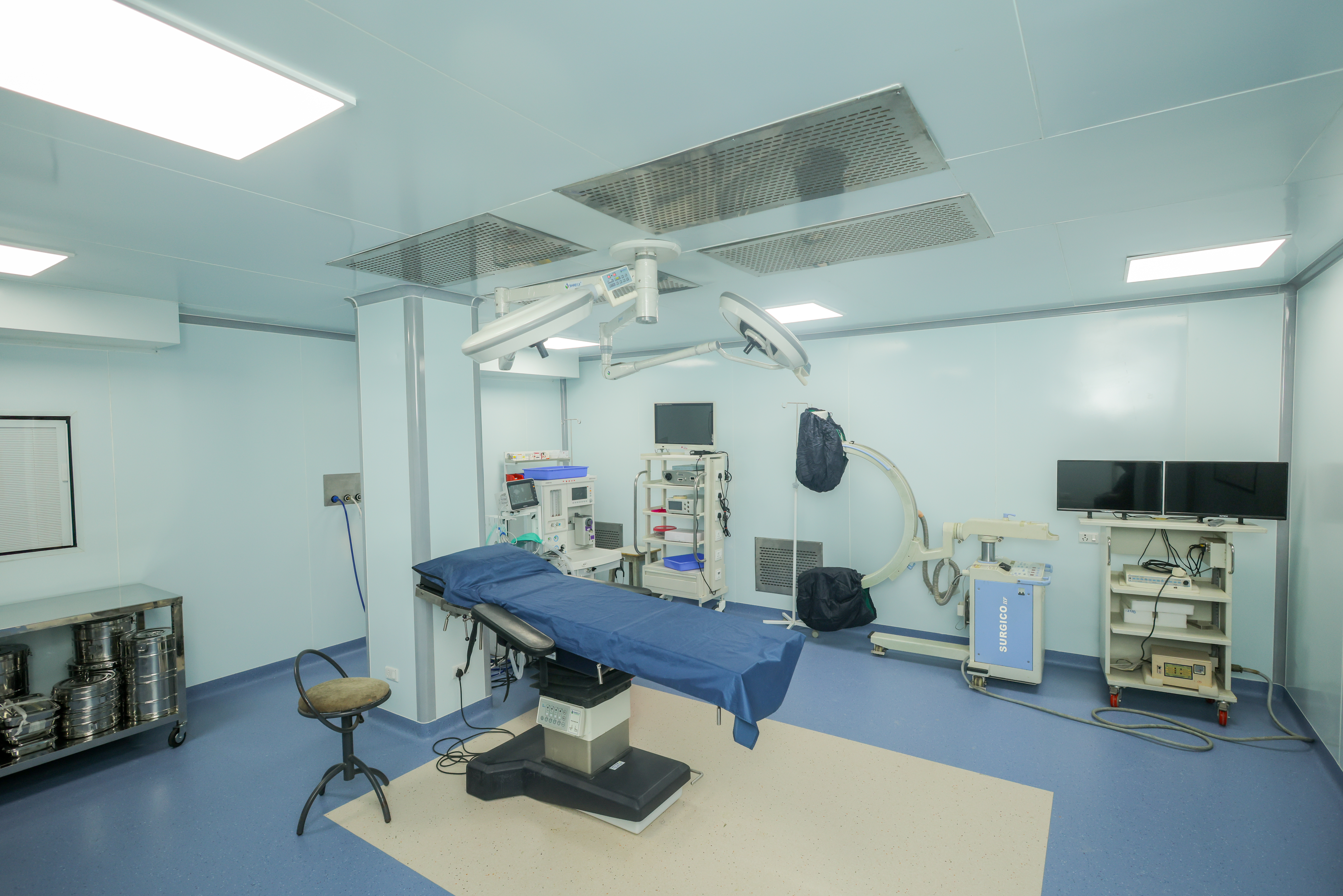
AXCURA ORTHO DR. 10+ Years Expert 50+ Bed Hospital
90%
Non-surgical outcomes
10+
Years specialist exp.
50+
Bedded hospital
Mehsana Visnagar Unjha Patan Sidhpur Vadnagar North Gujarat
  • Dr. Sumit Prajapati brings over 10 years of specialist orthopaedic and spine surgery experience to every case

  • Endoscopic discectomy available for appropriate patients seeking the most minimally invasive surgical option

  • Full range of slip disc treatments under one roof — conservative, injection-based and surgical

  • 90 percent of cases assessed and managed without surgery where possible

  • Precise imaging review and clinical assessment to confirm the exact disc level and nerve involvement before any treatment decision

  • Injection therapies including epidural steroid injection and selective nerve root block available at Axcura Ortho

  • Post-operative rehabilitation and physiotherapy coordination for surgical patients

  • 50 plus bedded hospital with dedicated ICU and full multi-disciplinary support

  • Serving Mehsana, Visnagar, Unjha, Patan, Sidhpur, Vadnagar and all of North Gujarat

Book a Consultation at Axcura Ortho, Mehsana Advanced spine care — now accessible across North Gujarat
+91 81285 96917
Patient FAQs

Questions Patients Ask Before Starting Slip Disc Treatment in Mehsana

Common questions patients ask before Starting Slip Disc Treatment at Axcura Ortho, Mehsana.

01

Does a slip disc always need surgery?

No. Approximately 90 percent of patients with lumbar disc herniation improve with properly structured non-surgical management over six to twelve weeks. Surgery is recommended when conservative treatment has failed, when there is progressive neurological deterioration or when the patient presents with a red flag condition. Each patient is assessed individually and surgery is recommended only when it is clinically appropriate.

02

How long does it take to recover from a slip disc without surgery?

Most patients with lumbar disc herniation managed non-surgically experience meaningful improvement within six weeks and are largely recovered within three to six months. Cervical disc conditions follow a similar timeline. Recovery depends on the severity of the disc prolapse, the degree of nerve involvement and how consistently the patient follows their rehabilitation programme.

03

What is the difference between endoscopic discectomy and microdiscectomy?

Both procedures remove the herniated disc material pressing on the nerve. Endoscopic discectomy is performed through a smaller incision using a working channel endoscope, with less disruption to surrounding tissue and a faster recovery. Microdiscectomy uses a slightly larger incision with direct visualisation under magnification. Both are safe, effective procedures. The choice between them depends on the disc level, the patient's anatomy and the complexity of the case.

04

Can a slip disc come back after surgery?

Disc reherniation after discectomy occurs in approximately five to ten percent of cases. The risk is reduced by following post-operative rehabilitation carefully, avoiding heavy lifting in the early recovery phase and maintaining core strength and healthy body weight long-term. In cases of recurrent herniation, revision surgery can be considered.

05

Is it safe to exercise with a slip disc?

Appropriate, guided exercise is not only safe but is an important part of slip disc management. The key is that the exercise programme is designed specifically for your disc level and stage of recovery. Generic or high-impact exercise without guidance can aggravate symptoms. Guidance on what activity is appropriate at each stage is provided by the Axcura Ortho team.

06

What is sciatica and is it always caused by a slip disc?

Sciatica is pain that travels along the course of the sciatic nerve, from the lower back through the buttock and down the back of the leg. The most common cause is lumbar disc herniation compressing a nerve root. Other causes include spinal stenosis, piriformis syndrome and, less commonly, tumours or infections. An accurate diagnosis distinguishes between these causes and determines the appropriate treatment.

07

How do I know if my back pain is from a slip disc or something else?

Disc-related back pain typically has a specific pattern: it is often associated with leg symptoms such as sciatica, it is worse with sitting, bending and coughing, and it is relieved by lying down. Pure mechanical back pain without any leg symptoms may have other causes. An MRI of the spine provides the definitive picture of what is happening. Your imaging and clinical presentation are reviewed at Axcura Ortho to arrive at an accurate diagnosis.

08

Does Axcura Ortho treat patients from outside Mehsana?

Yes. Patients from Visnagar, Unjha, Patan, Sidhpur, Vadnagar, Kheralu and across North Gujarat regularly visit Axcura Ortho for slip disc treatment, spine injections and spine surgery with Dr. Sumit Prajapati.

Back to Life After Slip Disc Treatment at Axcura Ortho, Mehsana

A successful slip disc treatment outcome is not just an MRI that looks better. It is the patient who is back at work, back in their daily routine and no longer managing their life around their back or neck pain. At Axcura Ortho, patients across Mehsana and North Gujarat have returned to full activity after disc conditions that had significantly limited their lives.

★★★★★

Back to Work After Lumbar Disc Herniation Treatment, Mehsana

After months of agonizing lower back pain radiating down his leg, a local working professional struggled to sit at his desk for even fifteen minutes. Diagnostic imaging revealed a severe lumbar disc herniation compressing the nerve root. Under the expert care of Dr. Sumit, a tailored recovery strategy successfully relieved the pressure, allowing him to return to a full 8-hour workday completely pain-free and without any functional limitations.

★★★★★

Arm Pain and Numbness Gone After Cervical Disc Treatment, North Gujarat

A patient from North Gujarat arrived experiencing sharp, burning arm pain alongside persistent finger numbness that made routine daily tasks impossible. A comprehensive evaluation pinpointed a cervical disc herniation. Following an advanced, targeted non-surgical nerve decompression treatment plan at Axcura Ortho, the radiating pain vanished, full sensation returned to the hand, and she has happily resumed her normal lifestyle.

★★★★★

Avoided Surgery With Conservative Slip Disc Treatment at Axcura Ortho, Mehsana

Fearing a major surgical operation for a painful slip disc, an elderly patient sought a secondary opinion at our Mehsana clinic. Rather than rushing into the operating room, our medical team designed a structured conservative protocol involving precise therapeutic exercises and advanced clinical care. Within weeks, the spine stabilized completely, proving that high-quality conservative management can successfully prevent the need for surgical intervention.

Easy Consultations

Need Your Spine Assessed? Book a Consultation with Dr. Sumit Prajapati in Mehsana

Whether you have had back or neck pain for weeks, months or years, an accurate diagnosis is the foundation of effective treatment. Your imaging will be reviewed, your spine examined, and a precise picture provided of what is happening and every option available for treating it, starting with the ones that do not involve surgery.

Serving Patients Across Mehsana, Visnagar, Unjha, Patan, Sidhpur, Vadnagar & North Gujarat

Axcura Ortho in Mehsana provides orthopaedic and spine care for patients across North Gujarat. From the first episode of sciatica through to endoscopic and open spine surgery, every disc condition is managed with the precision and individual attention it requires.

How to Book Your Consultation at Axcura Ortho, Mehsana

Axcura Ortho in Mehsana is the arthroscopic surgery and sports injury centre of choice for patients across North Gujarat. Advanced ACL reconstruction and knee ligament surgery that was previously only available in Ahmedabad is now accessible in Mehsana.

Dr. Sumit Prajapati Dr. Hardik Nayak
Walk-ins are welcome — urgent trauma cases are always prioritised.

Full Range of Spine and Orthopaedic Services at Axcura Ortho, Mehsana

Dr. Sumit Prajapati, Spine, Disc & Orthopaedic Surgery Service

  • Slip Disc Treatment, Conservative and Surgical
  • Lumbar Disc Herniation (PIVD) Treatment
  • Cervical Disc Herniation Treatment
  • Sciatica Treatment and Nerve Root Decompression
  • Endoscopic Discectomy (Keyhole Spine Surgery)
  • Microdiscectomy
  • Anterior Cervical Discectomy and Fusion (ACDF)
  • Lumbar Decompression Surgery
  • Lumbar Fusion Surgery
  • Spinal Stenosis Treatment
Dr. Sumit Prajapati
  • Transforaminal Epidural Steroid Injection
  • Selective Nerve Root Block (SNRB)
  • Spondylolisthesis Treatment
  • Vertebral Fracture Management
  • Total Knee Replacement
  • Total Hip Replacement
  • DAA Hip Replacement (Direct Anterior Approach)
  • Joint Replacement Surgery
  • Fracture Management & Trauma Care
  • Paediatric Orthopaedics