
PRP Therapy for Joint Pain in Mehsana, Non-Surgical Treatment at Axcura Ortho
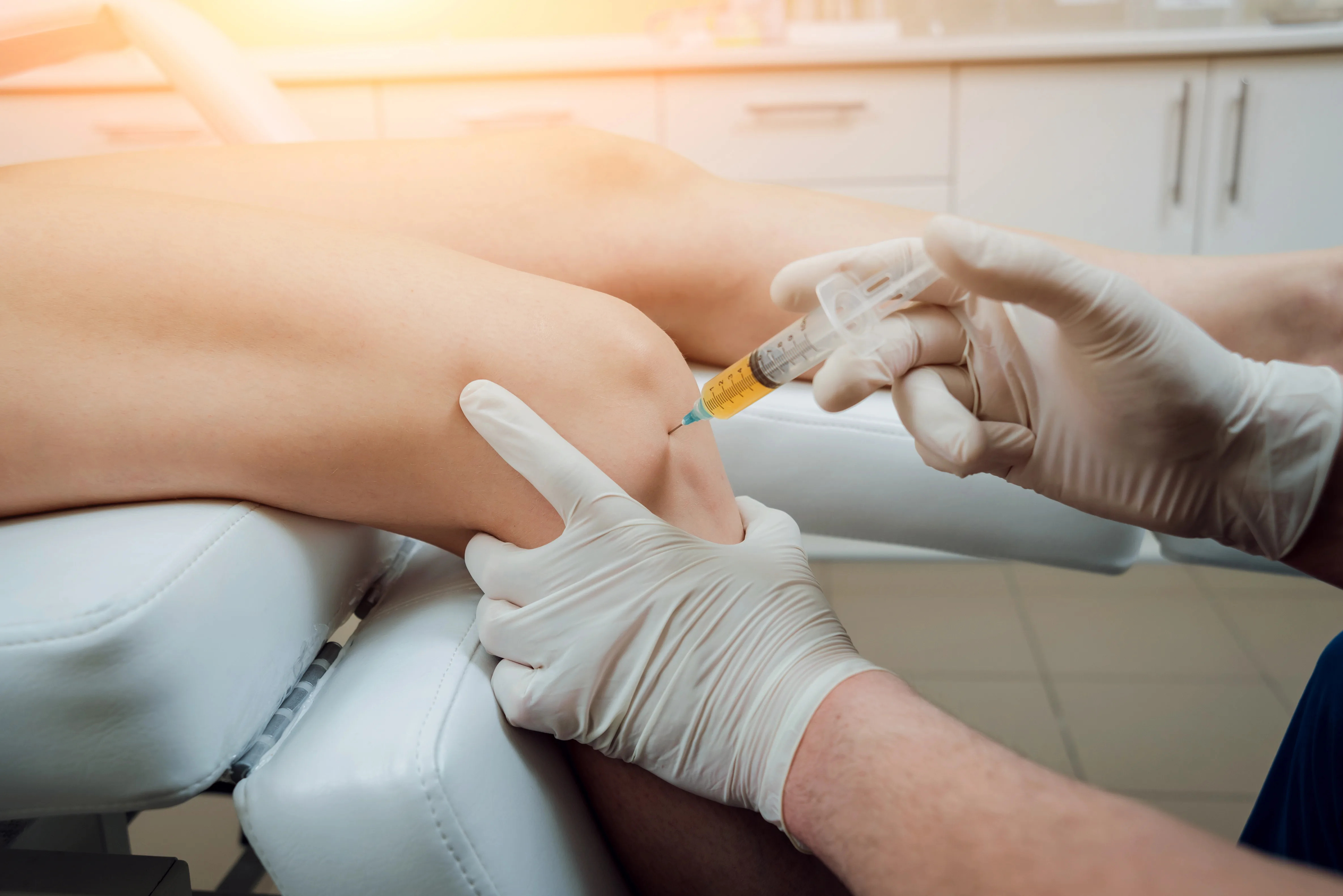
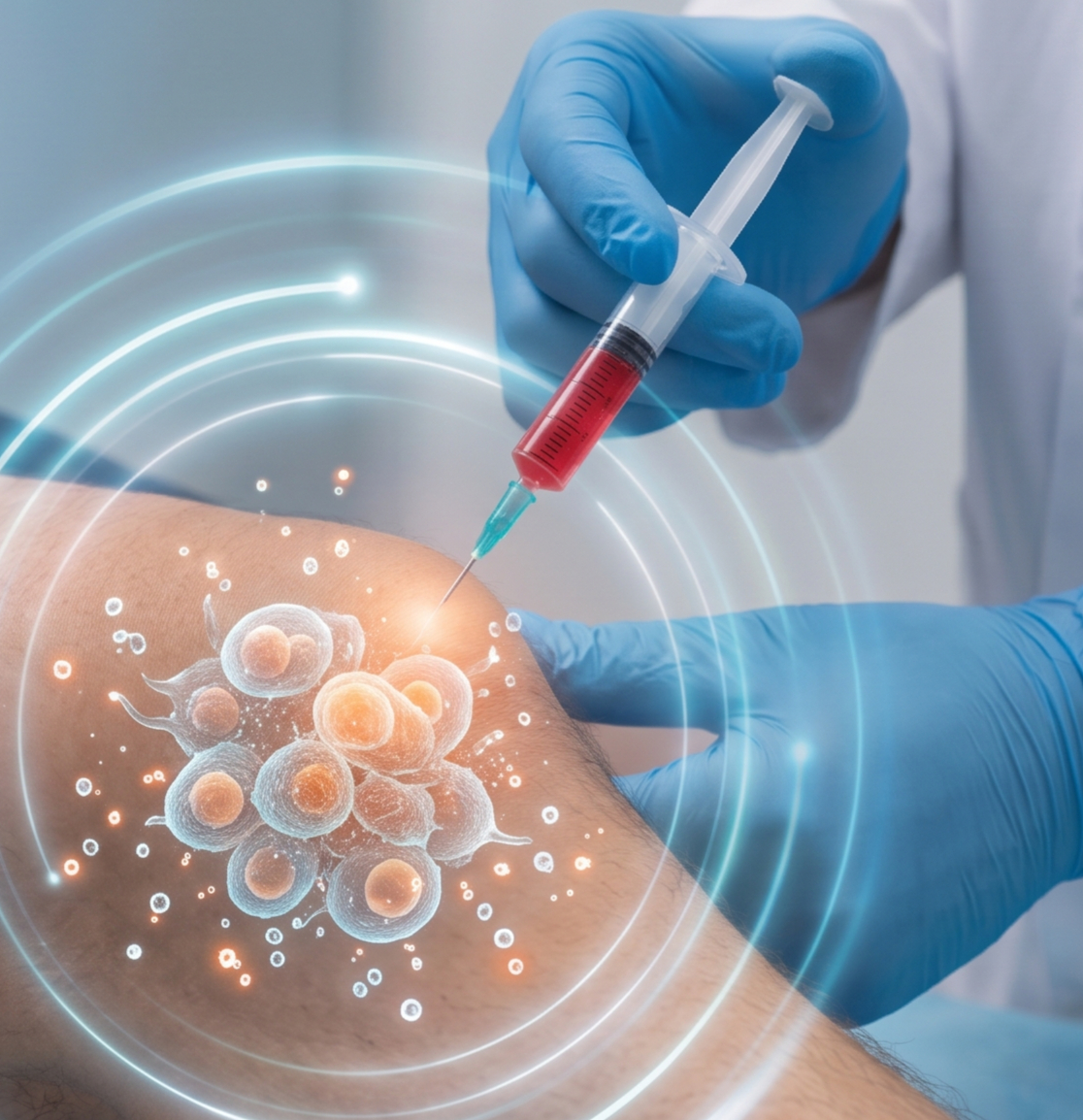
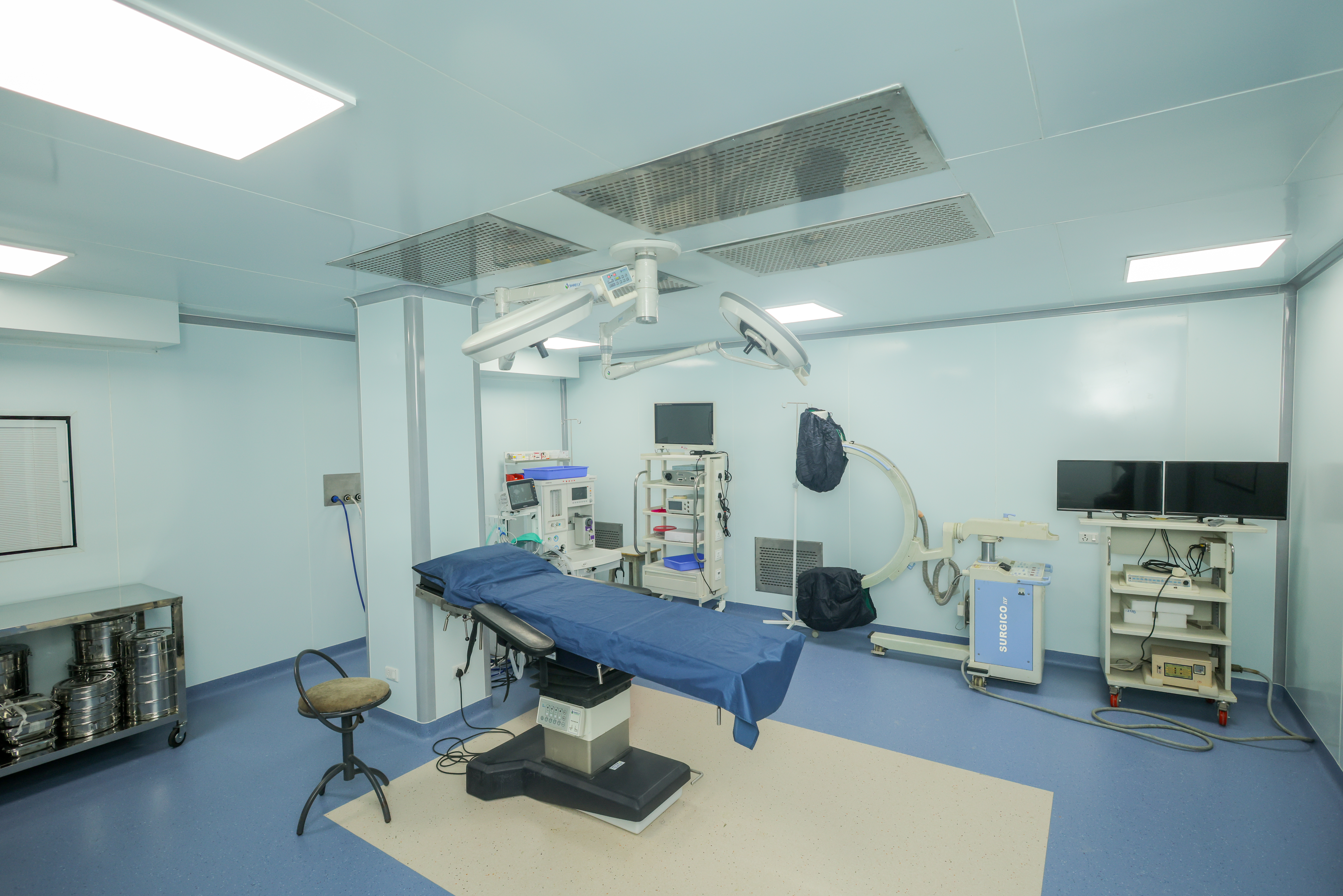
PRP therapy is a non-surgical injection treatment that uses the patient's own blood, processed to concentrate growth factors, to reduce joint inflammation and support tissue healing. At Axcura Ortho, Mehsana, PRP is available for knee pain, hip pain, shoulder pain, tendon conditions and early to moderate joint degeneration. It is not a replacement for surgery where surgery is the right answer. It is a structured, evidence-supported option for patients who are not yet at the stage of replacement or who want to exhaust every non-surgical path first.
- Have documented joint degeneration or tendon pathology on imaging
- Have not achieved adequate relief from physiotherapy and oral medication alone
- Are not yet at the stage where joint replacement is the most effective treatment
- Want to delay replacement surgery and maintain quality of life in the interim
- Are active patients with sports or tendon injuries responding poorly to conservative management
- Have had partial benefit from steroid injections but want a longer-lasting, growth-factor-based alternative
What Prolotherapy Is and How It Works

Prolotherapy (Proliferation Therapy) is a regenerative injection treatment in which a precisely formulated solution — typically dextrose-based — is injected into damaged or lax ligaments, tendons, and joint capsules. The solution stimulates the body's natural healing response, helping strengthen weakened ligaments and tendons over time.
Unlike steroid injections, which suppress inflammation, prolotherapy uses a mild inflammatory trigger to initiate repair. Over a series of injections, ligament and tendon fibres strengthen, joint laxity reduces and pain that originates from structural instability resolves. Prolotherapy does not provide rapid symptom relief. It works cumulatively over weeks to months, producing durable structural improvement rather than temporary pain suppression.
Conditions Treated With Prolotherapy


Ligament and Tendon Instability
-
Chronic ligament laxity causing joint instability — knee, ankle, sacroiliac jointProlotherapy directly strengthens the lax ligament fibres responsible for instability — not just numbing the pain but addressing the structural cause.
-
Partial ligament tears where surgery is not yet indicated and conservative treatment has plateauedGrade 1–2 partial tears that have not healed fully with physiotherapy are a classic prolotherapy indication — the dextrose solution stimulates repair at the tear site.
-
Tendinopathy with structural degeneration — patellar, Achilles, rotator cuff — where PRP is not the first choiceWhen PRP has not been selected or has not produced adequate benefit, prolotherapy offers an alternative regenerative pathway for structural tendon degeneration.
-
Lateral ankle instability following repeated sprains where ligament healing is incompleteChronic lateral ankle instability from recurrent sprains with incomplete ATFL or CFL healing — prolotherapy tightens and strengthens these ligaments over a course of injections.


Spine & Sacroiliac
-
Sacroiliac joint dysfunction causing lower back and buttock pain unresponsive to physiotherapySI joint ligament laxity is a frequently missed cause of lower back pain. Prolotherapy tightens the posterior SI ligaments and reduces painful joint movement.
-
Facet joint ligament laxity contributing to chronic mechanical lower back painWhen facet capsule laxity drives mechanical back pain, prolotherapy to the interspinous ligaments and facet capsules can reduce pain and improve spinal stability.
-
Coccydynia (tailbone pain) where ligament instability is the primary driverCoccydynia from ligament instability at the sacrococcygeal joint responds well to prolotherapy, particularly in patients who have not improved with conservative management.


Chronic Musculoskeletal Pain
-
Lateral epicondylitis (tennis elbow) where repeated steroid injections have produced diminishing returnsWhen 2 or more steroid injections have given diminishing benefit, prolotherapy to the common extensor origin provides a regenerative alternative targeting the structural degeneration.
-
Plantar fasciitis with chronic degeneration not responding to other non-surgical treatmentChronic plantar fasciitis with fascial degeneration that has not responded to orthotics, physiotherapy or steroid injection — prolotherapy stimulates repair at the calcaneal insertion.
-
Pubic symphysis pain in athletes — osteitis pubis — where structural instability is the causeOsteitis pubis driven by symphyseal ligament instability in cricketers, footballers and kabaddi players — prolotherapy tightens the symphyseal ligaments and reduces loading pain.

-
rather than acute inflammatory joint conditions. Suitable candidates are patients who:
-
Have chronic pain confirmed to a specific ligament, tendon or joint capsule on clinical examination and imaging
-
Have had adequate trials of physiotherapy and anti-inflammatory management without sustained relief
-
Are not candidates for or do not wish to proceed with surgical reconstruction at this stage
-
Understand that prolotherapy is a cumulative treatment — typically 3 to 6 sessions — and not a single-injection solution

What the Prolotherapy Procedure Involves

-
01The target ligament, tendon or joint is identified clinically and confirmed with imaging where required
-
02A dextrose-based solution is prepared and injected into the affected structure in small, precise volumes
-
03Multiple injection points may be used in a single session depending on the area being treated
-
04Each session takes approximately 20 to 40 minutes20–40 min
-
05Most patients require 3 to 6 sessions spaced 3 to 6 weeks apart for cumulative structural benefit3–6 sessions
-
06Mild soreness and localised swelling for 24 to 72 hours after each session is expected and represents the treatment workingExpected
What Ultrasound-Guided Injections Are and Why Guidance Matters

Ultrasound-guided injection is not a separate treatment — it is a precision delivery method. Many musculoskeletal injections — steroid, PRP, prolotherapy, hyaluronic acid — can be administered either by clinical landmark palpation or under real-time ultrasound guidance.
Ultrasound guidance allows the clinician to visualise the exact target structure — the joint space, bursa, tendon sheath, or ligament — in real time and confirm needle placement before the injection is delivered. This matters because accuracy of placement is directly linked to treatment outcome. A steroid injection placed outside a joint capsule is substantially less effective than one placed precisely within it. For soft tissue structures such as the rotator cuff, biceps tendon sheath or plantar fascia, landmark-guided injection carries a meaningful risk of misplacement.
At Axcura Ortho, Mehsana, ultrasound guidance is used for injections where precise placement is essential to the outcome — and where the risk of misplacement under palpation guidance is clinically significant.
Common Musculoskeletal Conditions Treated With USG-Guided Injections
Precision targeting for pain relief and joint restoration under direct real-time visualization.

- Subacromial bursa injection for subacromial impingement and bursitis — guided placement into the subacromial space avoids rotator cuff tendon injection.
- Glenohumeral joint injection for shoulder osteoarthritis and adhesive capsulitis (frozen shoulder).
- Biceps tendon sheath injection for proximal biceps tendinopathy.
- Rotator cuff calcific tendinitis — needling and aspiration of calcium deposits under direct visualisation.
- Acromioclavicular joint injection for AC joint arthritis.
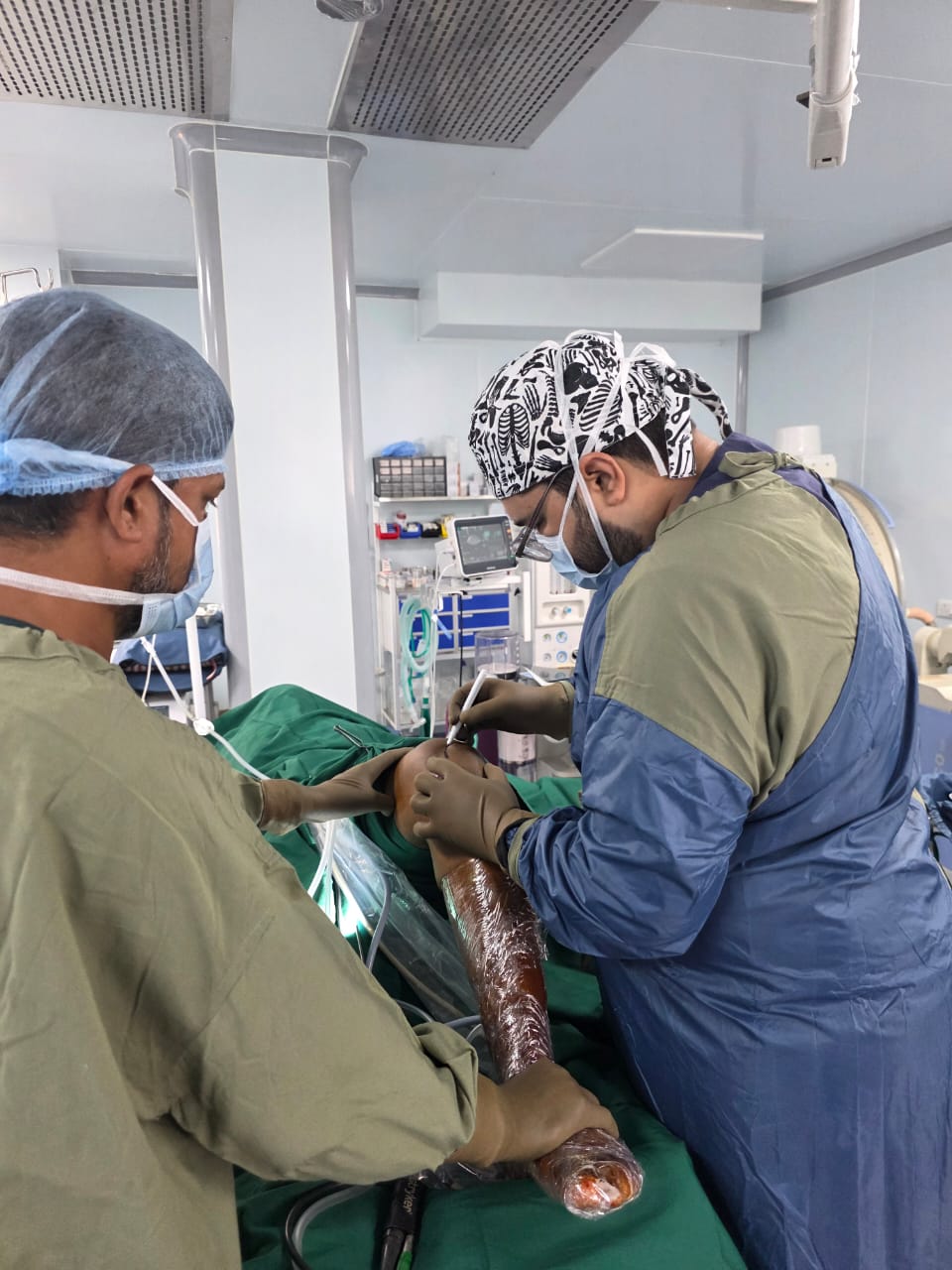
- Knee joint injection (steroid, PRP or hyaluronic acid) with confirmed intra-articular placement.
- Patellar tendon injection for patellar tendinopathy — guided to the area of maximal degeneration on imaging.
- Pes anserine bursa injection for medial knee pain and bursitis.
- Baker's cyst aspiration with guided needle placement into the cyst.
- Hip joint injection for osteoarthritis — the hip joint is deep and cannot be reliably accessed without imaging guidance.
- Greater trochanteric bursa injection for lateral hip pain and trochanteric bursitis.
- Iliopsoas bursa injection for anterior hip and groin pain.

- Lateral epicondyle injection for tennis elbow — guided placement at the common extensor origin.
- Medial epicondyle injection for golfer's elbow.
- De Quervain's tenosynovitis — injection into the first extensor compartment tendon sheath.
- Trigger finger — injection into the flexor tendon sheath at the A1 pulley.
- Carpal tunnel injection for carpal tunnel syndrome — guided placement to avoid median nerve injury.

- Ankle joint injection for osteoarthritis, post-traumatic arthritis and impingement.
- Plantar fascia injection at the calcaneal insertion for chronic plantar fasciitis.
- Peroneal tendon sheath injection for lateral ankle tendinopathy.
- Morton's neuroma injection — guided into the intermetatarsal space at the neuroma.

- Sacroiliac joint injection for sacroiliac dysfunction and lower back pain.
- Facet joint injection or medial branch block for confirmed facet-mediated back or neck pain.
Why USG Guidance Improves Outcomes
Ultrasound guidance provides real-time visualisation during injection — a meaningful clinical difference for deep joints, tendons and complex anatomy where palpation alone is insufficient.

|
Landmark-Guided
Injection Surface & Palpation
|
USG-Guided
Injection ✓ Real-Time Ultrasound
|
|
|---|---|---|
|
Needle placement
|
Based on surface anatomy and palpation
|
Real-time visualisation of target structure
|
|
Accuracy
|
Variable — depends on body habitus and anatomy
|
Confirmed before injection delivery
|
|
Risk of misplacement
|
Higher for deep joints and soft tissue
|
Significantly reduced
|
|
Best suited for
|
Superficial, easily palpable structures
|
Deep joints, tendons, bursae, complex anatomy
|
|
Documentation
|
Clinical record only
|
Image-guided confirmation available
|